
Type that has to stay readable
The exam paper and the cross-stitch both put words in the still. Spell the lines you need, then check they survived.
Pick the still that matches the job. Copy the brief, swap the subject, and generate.
Use this page when you already know the still you want: readable type on a poster or exam sheet, one character held across a grid, a photo restyled as a paper cover, or a fashion editorial.
Look at the still first. If it is the job you need, copy that prompt. Keep the lines that lock identity, layout, or exact wording. Swap the person, the city, or the copy. Text-only briefs go straight into the box. Sheets and restyles need a starting photo.
Flare is selected. Generate at 1K while you edit the brief, then run the same prompt at 2K or 4K when you want a larger file.
Production preview
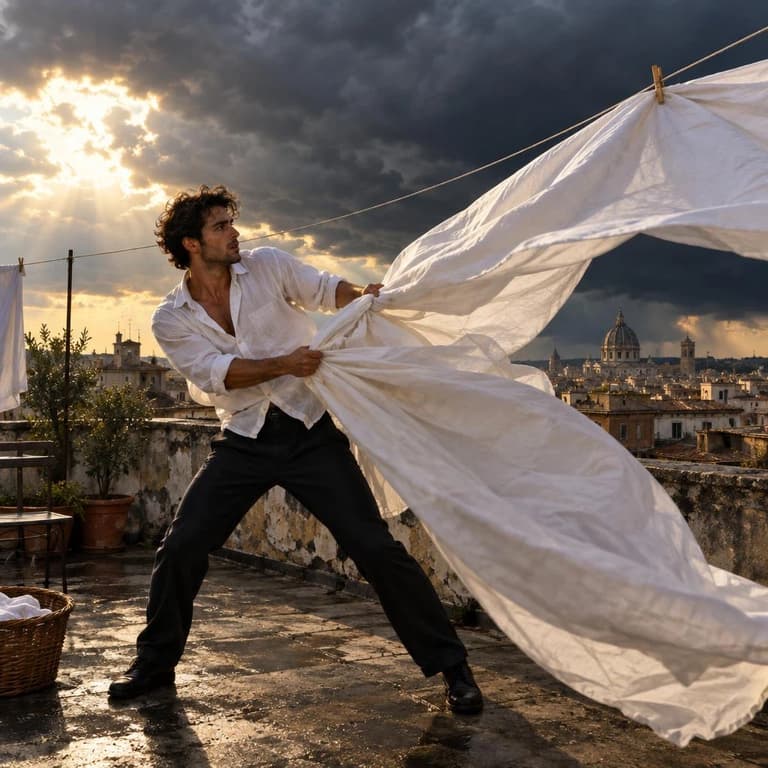
A grid, a sheet, a restyle, or a still with type. Copy the brief, then change only the subject.
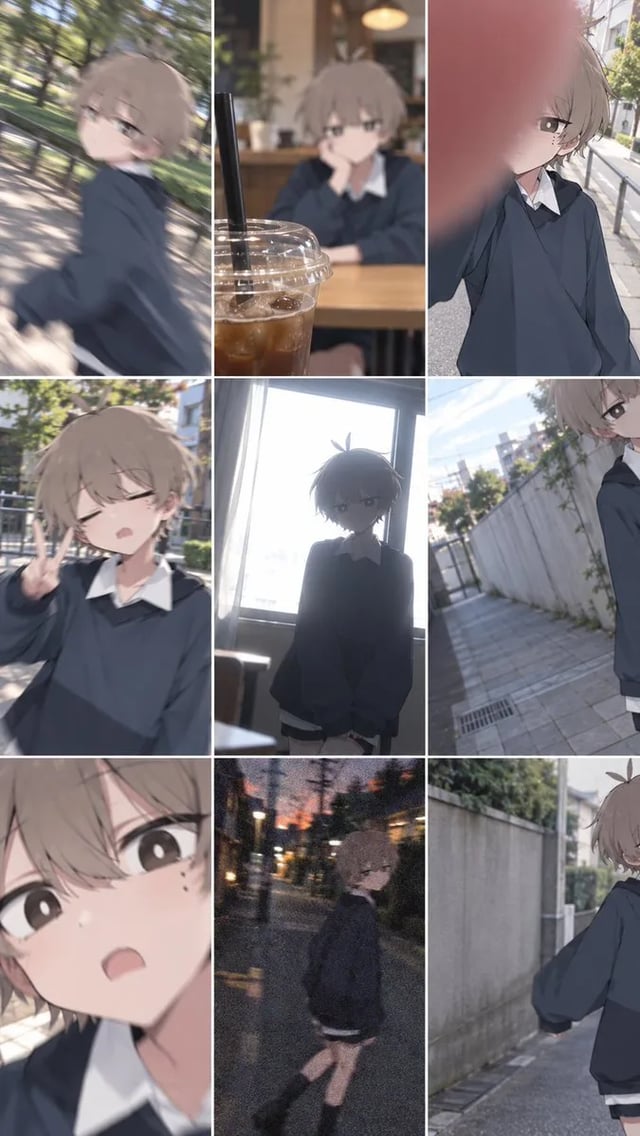
Prompt
素人の失敗写真の数々、3x3、9:16
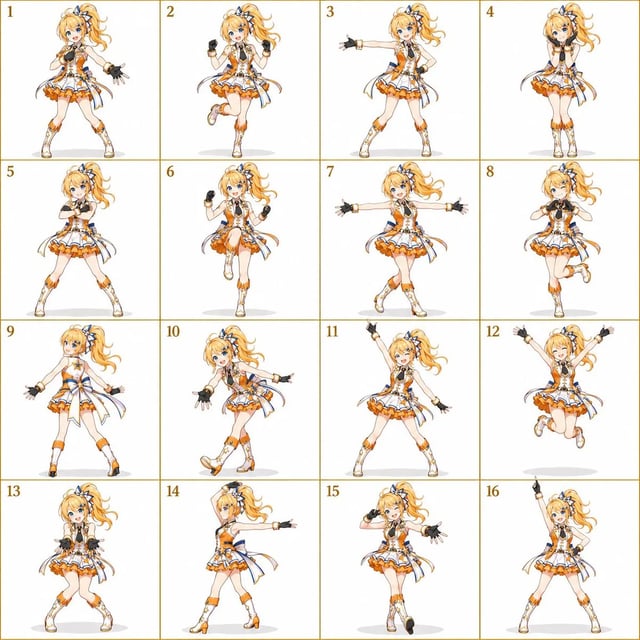
Prompt
Create a 4×4 dance pose sheet featuring the character in the uploaded reference image, with exactly 16 equally sized panels in one square image. CHARACTER CONSISTENCY Use the uploaded character as the sole reference for character identity and appearance. Preserve the character’s face, hairstyle, colors, body proportions, species, outfit, accessories, and original art style across all 16 panels. Do not redesign the character or add an idol costume. If any body or costume details are not visible in the reference, infer them conservatively and keep them consistent throughout. ADAPTIVE CHOREOGRAPHY Design a cohesive dance sequence tailored to this specific character’s personality, appearance, anatomy, clothing, and range of motion. Choose a suitable dance style automatically: lively for an energetic character, graceful for an elegant character, confident for a bold character, playful for a cute character, or restrained for a serious character. Do not force every character into cute idol poses. Show 16 distinct key poses from the same dance routine, ordered from left to right and top to bottom. Make the sequence feel connected, with natural transitions and a clear beginning, build-up, climax, and ending. Use the following movement structure, adapting each action to the character: 1. Opening pose that establishes the character’s personality. 2. Small rhythmic step with a coordinated arm gesture. 3. Side step with one arm extended. 4. Compact expressive gesture near the face or upper body. 5. Grounded stance with arms crossing or sweeping inward. 6. Knee lift or an anatomically appropriate weight shift. 7. Open, expansive pose with arms spread. 8. Playful or expressive balance pose. 9. Turning pose showing a three-quarter rear view. 10. Forward-reaching movement with a diagonal body lean. 11. Strong upward-reaching accent. 12. Climactic jump or a grounded full-body extension if jumping is unsuitable. 13. Lowered stance with a forward gesture. 14. Elegant or dynamic side-facing transition. 15. Signature gesture that suits the character. 16. Confident final pose with a clear finishing silhouette. COMPOSITION AND PRESENTATION Use a clean white background, thin grid lines, and small readable numbers 1–16 in the upper-left corner of each panel. Include exactly one full-body depiction of the same character per panel. Keep the character’s scale, camera distance, lighting, and rendering style consistent. Use a fixed camera while allowing the character to turn naturally. Keep the entire character, including hair, ears, horns, wings, tail, hands, feet, and accessories, inside each panel with comfortable margins. Allow room for extended limbs and jumps. Add subtle ground shadows. Show natural secondary movement in hair, fabric, and accessories. Every pose must have a clear silhouette, convincing balance, anatomically plausible joints, and expressive body language. Adapt all movements to nonhuman anatomy when applicable. AVOID Repeated or nearly identical poses, character identity drift, costume changes, inconsistent proportions, extra or missing limbs, malformed hands, cropped body parts, overlapping panels, additional characters, motion trails, background scenery, props not present in the reference, speech bubbles, captions, and watermarks. Final output: one polished square image containing a clearly organized 4×4 grid of 16 distinct, character-appropriate dance poses.
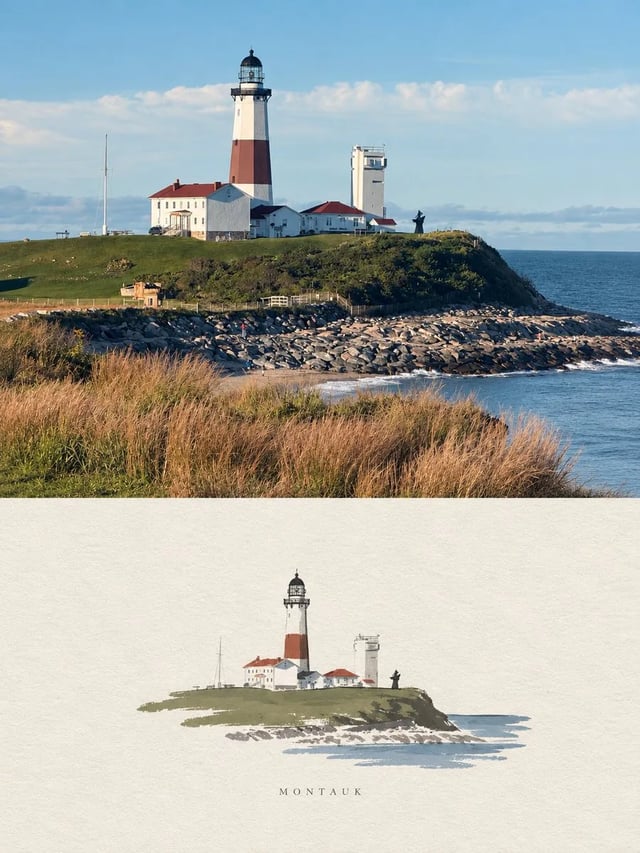
Prompt
Create one independent high-end editorial poster for each uploaded photo. Do not combine multiple photos into a collage. Each photo must be processed and output as a separate poster. OVERALL FORMAT Strict 3:4 vertical composition. Divide the canvas horizontally into two exactly equal sections, with a precise 1:1 height ratio. The top half occupies exactly 50% of the canvas. The bottom half occupies exactly 50% of the canvas. The two sections should feel visually connected as one refined art publication cover. TOP HALF — ORIGINAL PHOTOGRAPH Preserve the original photograph as faithfully as possible. Keep the main composition, subjects, identity, facial features, body proportions, poses, expressions, clothing, objects, and spatial relationships unchanged. Preserve the realistic photographic texture, natural lighting, shadows, atmosphere, and original color mood. Apply only subtle, sophisticated editorial color grading, creating the feeling of a premium magazine photograph, contemporary art book, or high-end independent publication. The image should remain photorealistic and authentic, never overly retouched or artificially stylized. If necessary to fit the 3:4 composition naturally, extend the sky, ground, walls, or surrounding environmental background. Background extension must feel seamless and photographic. Never stretch, distort, reshape, replace, or alter the main subject. BOTTOM HALF — MINIMAL HAND-DRAWN PAPER ILLUSTRATION Extract the most recognizable visual elements from the original photograph and reinterpret them as a minimalist hand-drawn paper-cover illustration. Preserve: The most recognizable subject Essential silhouette and proportions Key pose or gesture Important objects The core narrative relationship between people and objects Highly simplify the image. Remove unnecessary details and retain only the visual information needed for immediate recognition. Use: Delicate, slightly imperfect hand-drawn lines A small number of bold, clearly defined acrylic-style flat color shapes Rough paper texture Visible handmade brush marks Slightly irregular, organic edges Subtle imperfections that make it feel genuinely handmade The main illustrated subject should be small, centered, and carefully composed, occupying approximately 10–20% of the bottom half. Leave a large amount of negative space around the illustration. The background should primarily resemble: Rough white paper Warm off-white paper Pale natural paper Minimal editorial book-cover stock Use only a few lines or small color shapes to suggest the surrounding environment. COLOR PALETTE Extract the dominant colors directly from the original photograph. Compress the palette into no more than 4 main colors. Keep the colors restrained, sophisticated, and harmonious. Use bold but controlled flat color blocks. Avoid excessive color variation. Preserve subtle paper grain and handmade brush texture. The illustration should visually feel like a simplified color interpretation of the photograph. TYPOGRAPHY A small amount of simple typography may be included when appropriate. Possible elements: A short title Keyword Object name Location Year Number Short phrase Text should be minimal, understated, and editorial. Typography should naturally interact with the large areas of negative space and the small illustration, evoking: Art book covers Independent publishing Contemporary editorial design Thoughtful children's picture books Do not force text into the composition if it does not naturally fit the photograph. VISUAL LANGUAGE The final poster should feel: Quiet · Poetic · Refined · Minimal · Innocent · Relaxed · Artistic · Thoughtful · High-recognition · Premium
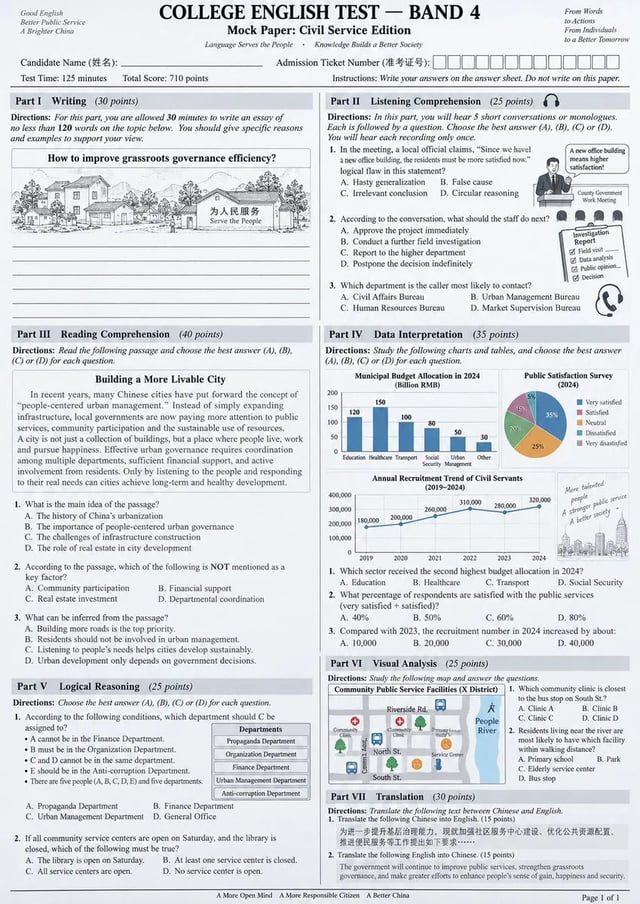
Prompt
出一张英语四级卷子,但是里面问的全是公务员考试题,要图文并茂
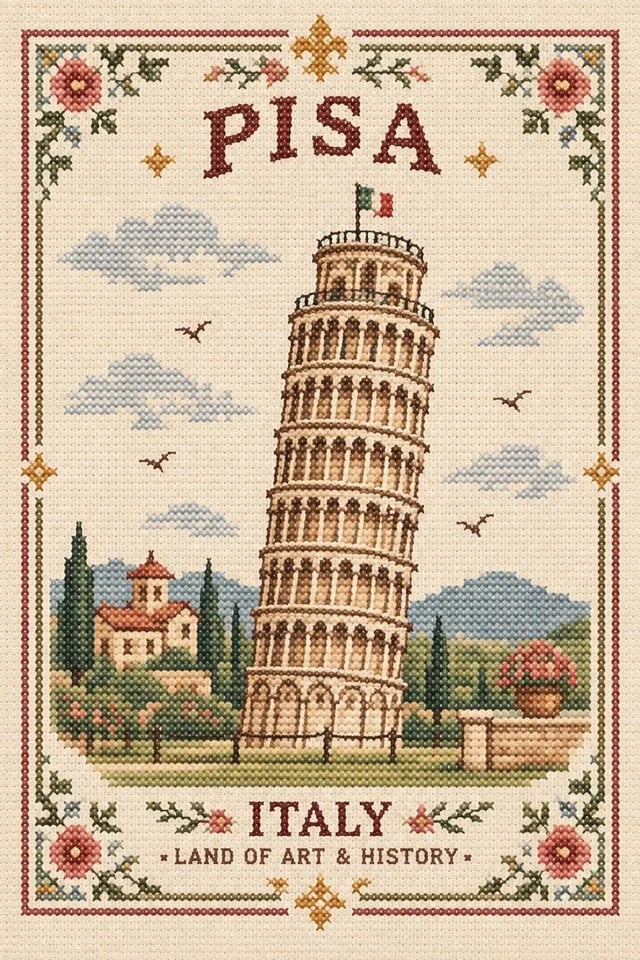
Prompt
Create a charming vintage cross-stitch embroidery artwork featuring [CITY / STRUCTURE] as the main subject. The entire scene should look meticulously hand-stitched onto warm ivory linen fabric, with visible tiny embroidery stitches, slightly imperfect handmade details, and a soft antique textile texture. Place the main landmark or recognizable city architecture in the center, illustrated entirely with delicate cross-stitch embroidery. Surround it with small symbolic elements representing the destination — tiny flowers, stars, trees, clouds, birds, local scenery, decorative objects, or miniature architectural details. Frame the artwork with an elegant ornamental embroidered border, featuring tiny flowers, leaves, stars, vines, and vintage decorative corners. Use a nostalgic palette of dusty rose, muted sage green, faded blue, warm beige, soft brown, and antique gold. At the top, stitch: [CITY NAME] At the bottom, stitch: [COUNTRY] • [FAMOUS FOR] Use old-fashioned embroidered serif lettering, slightly irregular like a handmade heirloom sampler. The overall composition should feel like a vintage collectible textile souvenir, whimsical, nostalgic, cozy, sophisticated and highly detailed — not a modern graphic poster. Visible fabric weave, individual threads, tiny cross-stitches, soft aged texture, subtle imperfections, handcrafted museum-quality embroidery. Vertical 4:5 composition, centered symmetrical layout, no people, no modern logos, no watermark.
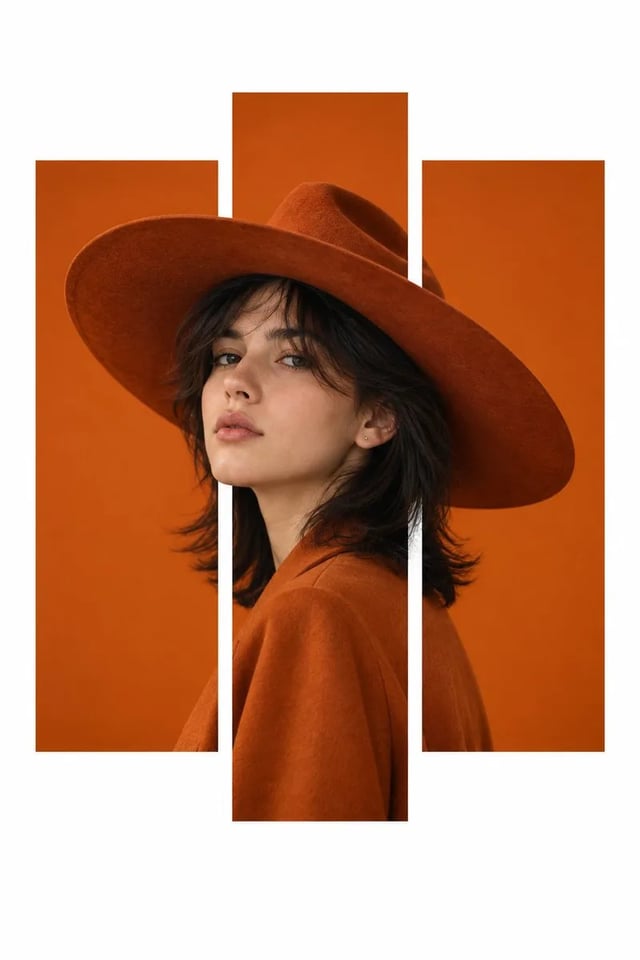
Prompt
Create a vertical 2:3 fashion editorial poster with a minimalist, modern aesthetic. Use a clean white background with three tall, rectangular orange panels arranged vertically across the center, with narrow white gaps between them. The middle panel is slightly taller than the two outer panels. Feature a realistic young woman with fair skin, delicate facial features, and light brown hair styled neatly under a large, wide-brimmed burnt-orange cowboy hat. She wears an elegant burnt-orange long-sleeve blouse with soft folds and a refined fashion-forward look. Position the woman in a three-quarter profile, facing slightly toward the camera with a calm, confident expression. Her head and oversized hat extend across all three orange panels, while her body is primarily visible through the center panel. The orange panels should create a striking cutout effect, with parts of the portrait appearing to overlap the panel edges. Use warm studio lighting, soft natural skin texture, subtle shadows, crisp edges, high-end fashion photography, balanced negative space, and a premium contemporary magazine design. Use a monochromatic burnt-orange color palette against a pure white background. No text, no logos, no typography, no borders, no extra objects. Focus entirely on the woman, the oversized hat, and the geometric orange panel composition.
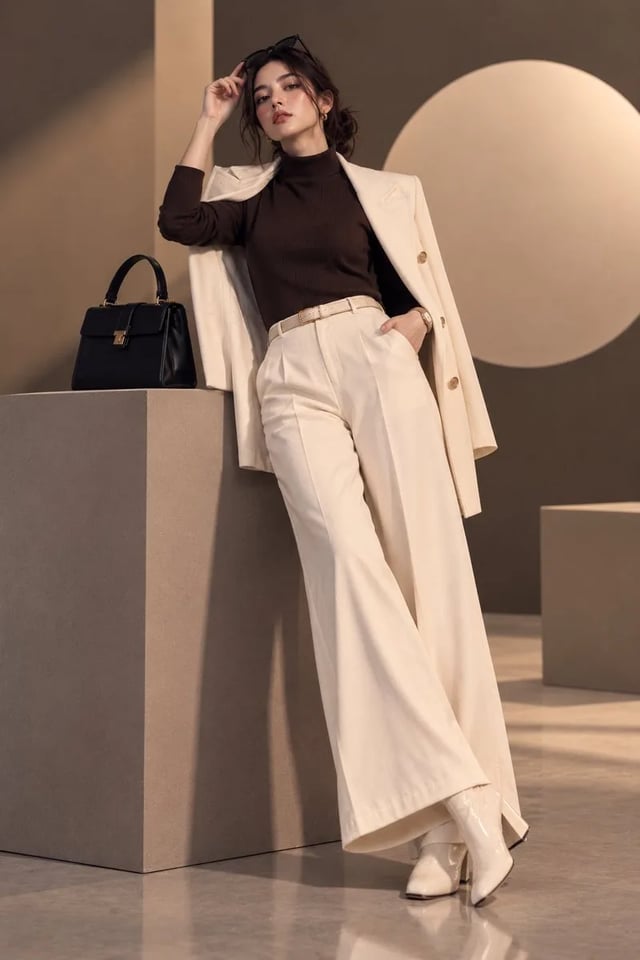
Prompt
Create an ultra-realistic viral fashion editorial photograph of a stylish young woman standing confidently in a luxury minimalist studio. Warm mocha, taupe, cream and soft caramel color palette, large glowing circular backdrop, geometric stone blocks, polished floor and cinematic soft shadows. She wears an elegant dark chocolate fitted high-neck top, oversized ivory blazer draped naturally over her shoulders, high-waisted flowing cream wide-leg trousers, matching pointed ankle boots, delicate gold jewelry and a luxury wristwatch. Black sunglasses resting stylishly on top of her head, loose messy low bun with soft face-framing strands. Pose: leaning casually against a large stone pedestal, one hand inside trouser pocket, the other lightly touching the sunglasses, legs crossed at the ankles, chin slightly raised, direct confident editorial gaze. A structured black luxury handbag placed beside her. Sophisticated, bold, expensive quiet-luxury aesthetic, Pinterest and Instagram viral fashion campaign vibe, natural realistic skin texture, detailed fabric, realistic hands and anatomy, soft premium studio lighting, 85mm fashion photography, shallow depth of field, magazine-quality composition, photorealistic, no CGI, no illustration, no distorted hands or body.
Match the still to the job, keep the structure, swap what should be yours.
Need type that reads? Use the exam paper or the cross-stitch. Need one character in many poses? Use a grid or a sheet. Need a photo restyled? Use the split cover.
Leave identity locks, grid layout, and quoted type in place. Change the person, the city in [CITY NAME], or the words on the page.
Dance sheets, failed-photo grids, and split covers need a starting picture. Text-only briefs do not.
Check spelling, identity, and whether the grid formed. 2K and 4K start a separate generation — review that output before you save it.
Pick the card whose result you want, then edit the brief for your subject.
The exam paper and the cross-stitch both put words in the still. Spell the lines you need, then check they survived.
Upload a character. The 3×3 album and the 16-pose sheet lock the face and outfit, then change camera or pose.
The split cover keeps the photograph on top and asks for a small paper illustration underneath. Upload the photo the brief should read.
The orange-panel portrait and the studio editorial are text-to-image. Change wardrobe, palette, or pose, and leave the composition lines in place.
Start from the still, not the length of the brief. Use a type-heavy card when words have to read. Use a grid or sheet when one character has to hold. Use a split cover when you already have a photo to restyle.
Keep layout, identity lock, and exact wording. Swap the subject: the person, the city in [CITY NAME], or the copy on the page. Change one thing, generate, then change the next.
Only when the card says to start with a photo — the grids, the dance sheet, and the split cover. Text-only briefs go straight into the box.
The example still is what that prompt produced for its author. Your subject, photo, and settings will change the result. Check identity, type, and layout after you generate.
Yes. Sign up before generating. New accounts receive starter credits, and the default 1K generation is available after signup.
The Generate button shows the current credit cost for the selected model and settings. The plans section lists available subscriptions.
The everyday model selected in this generator — a new still or a photo edit at 1K, 2K, or 4K.
The editing-oriented 2.5 model when the same subject needs several deliberate passes.
Compare Flare, Sunburst, and GPT Images 2, then choose a model in the generator.
Review the available plans when you need more generations.
Enjoy Limited-Time 30% OFF!
Pick the still that matches the job, edit the brief, and review the 1K result.